1715Beginnings
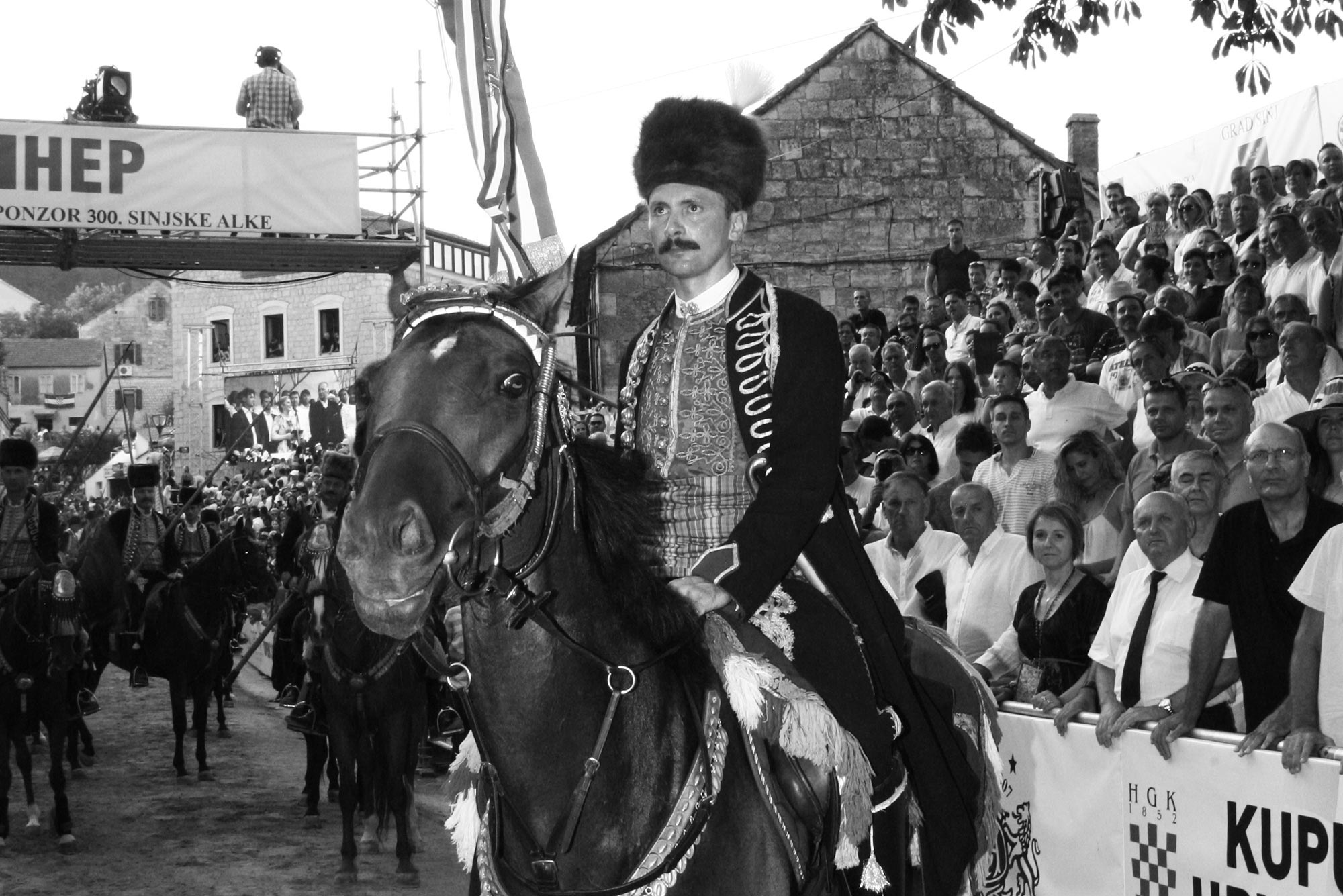
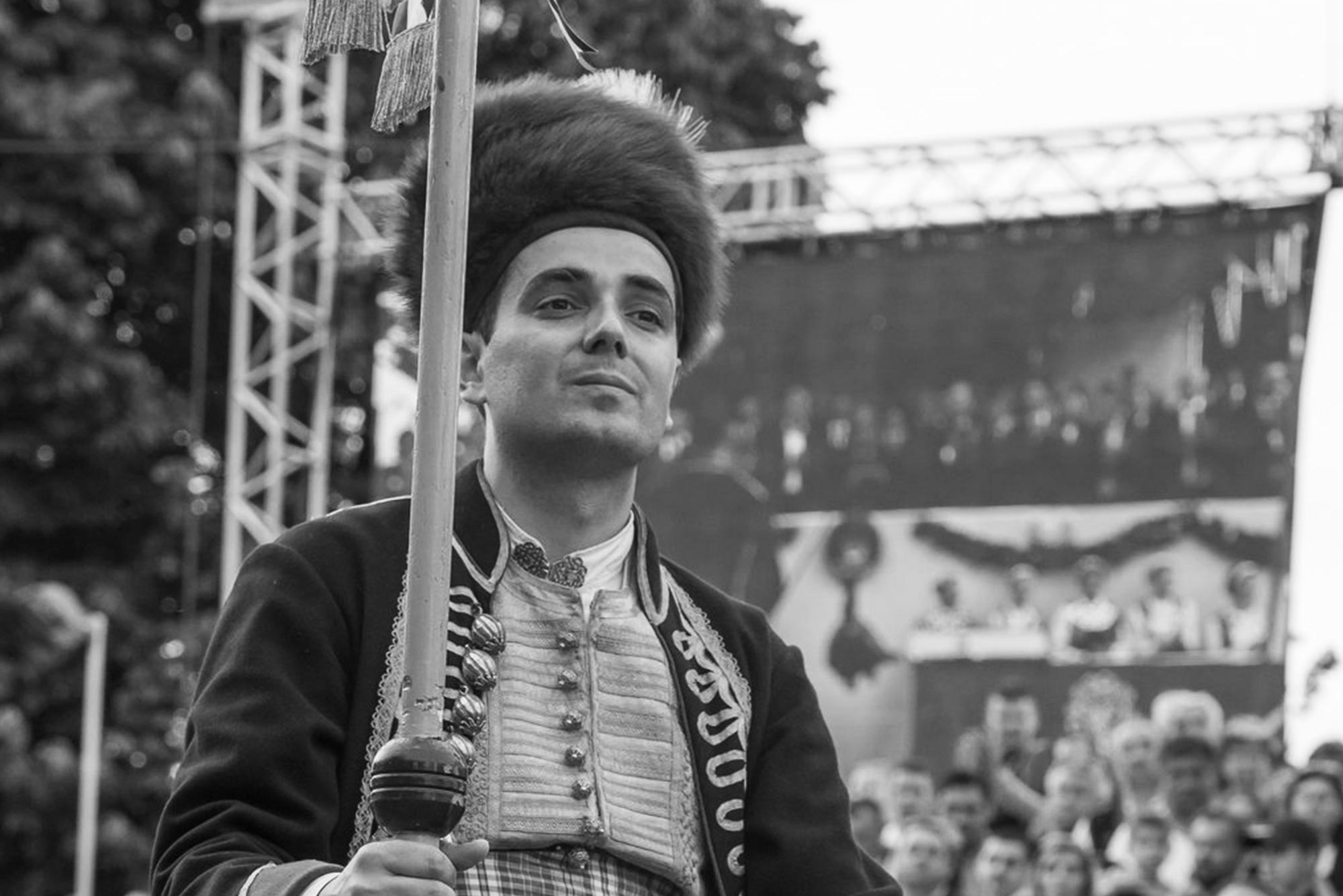
The Sinj Alka is a unique equestrian chivalric competition in Europe, held every year in the month of August in Sinj. It is run in remembrance of the famous battle of 1715, the Siege of Sinj, in which the people of Sinj, from the 7th to the 15th of August, valiantly resisted the Ottoman invader, and in honor of Our Lady of Sinj, who on that occasion, on the feast of Her Assumption, preserved the town from falling into enemy hands.
- Chivalric competitions1784
Having emerged in the early 18th century, it is a continuation — and the only remaining survivor — of the numerous chivalric competitions once held in the larger towns of Dalmatia, the most famous of which took place in Zadar (until 1820), Imotski (until around 1840), and Makarska (until 1832). In the second half of the 18th century, Ivan Lovrić of Sinj mentioned the custom of holding ancient equestrian tournaments in Dalmatia, while the oldest direct written mention of the Sinj Alka dates from 1784. These are three sonnets and one ode composed in Italian by the Split physician and musician Julije Bajamonti.
- 1798Oldest document
- Venetian and Austrian Times1901
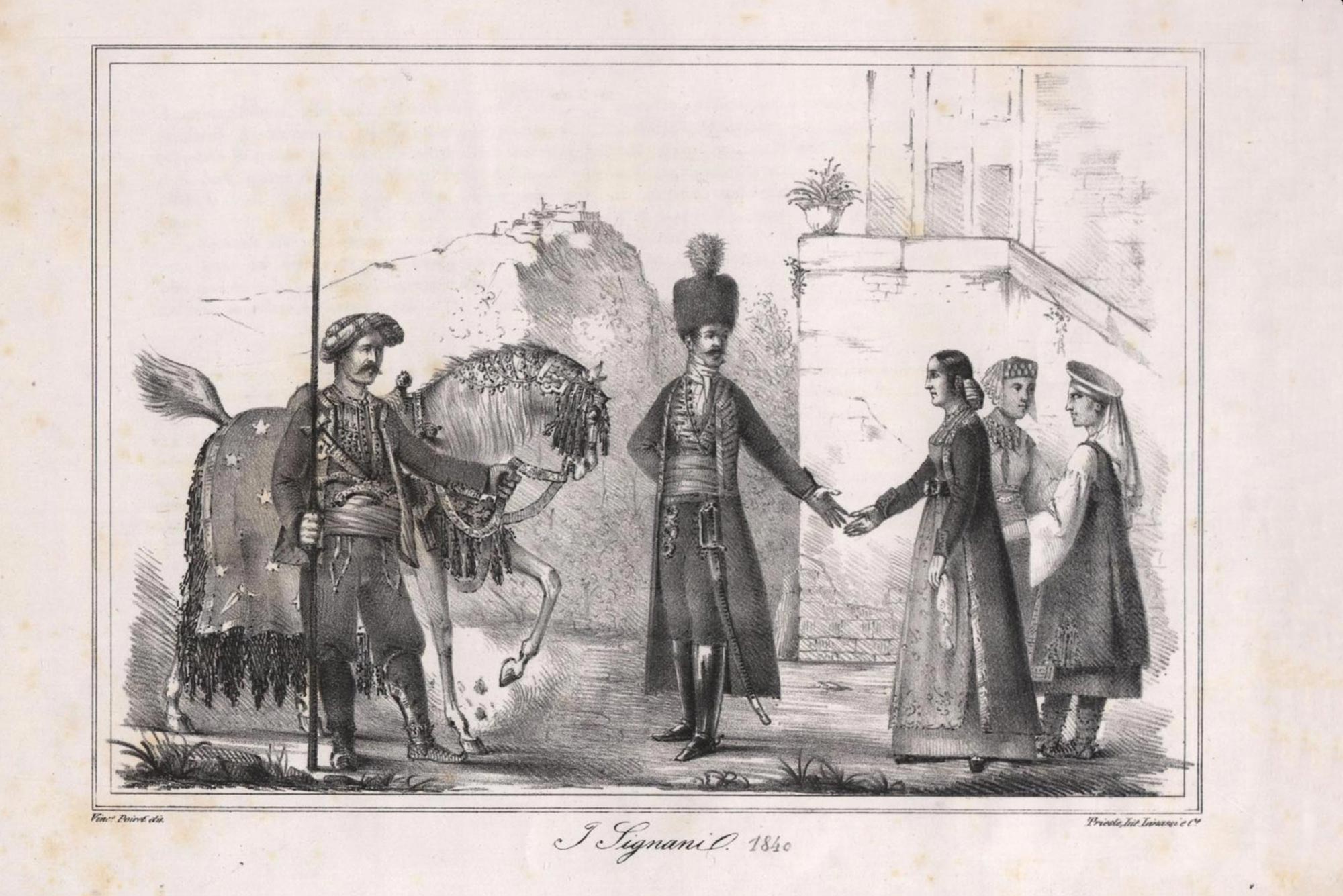
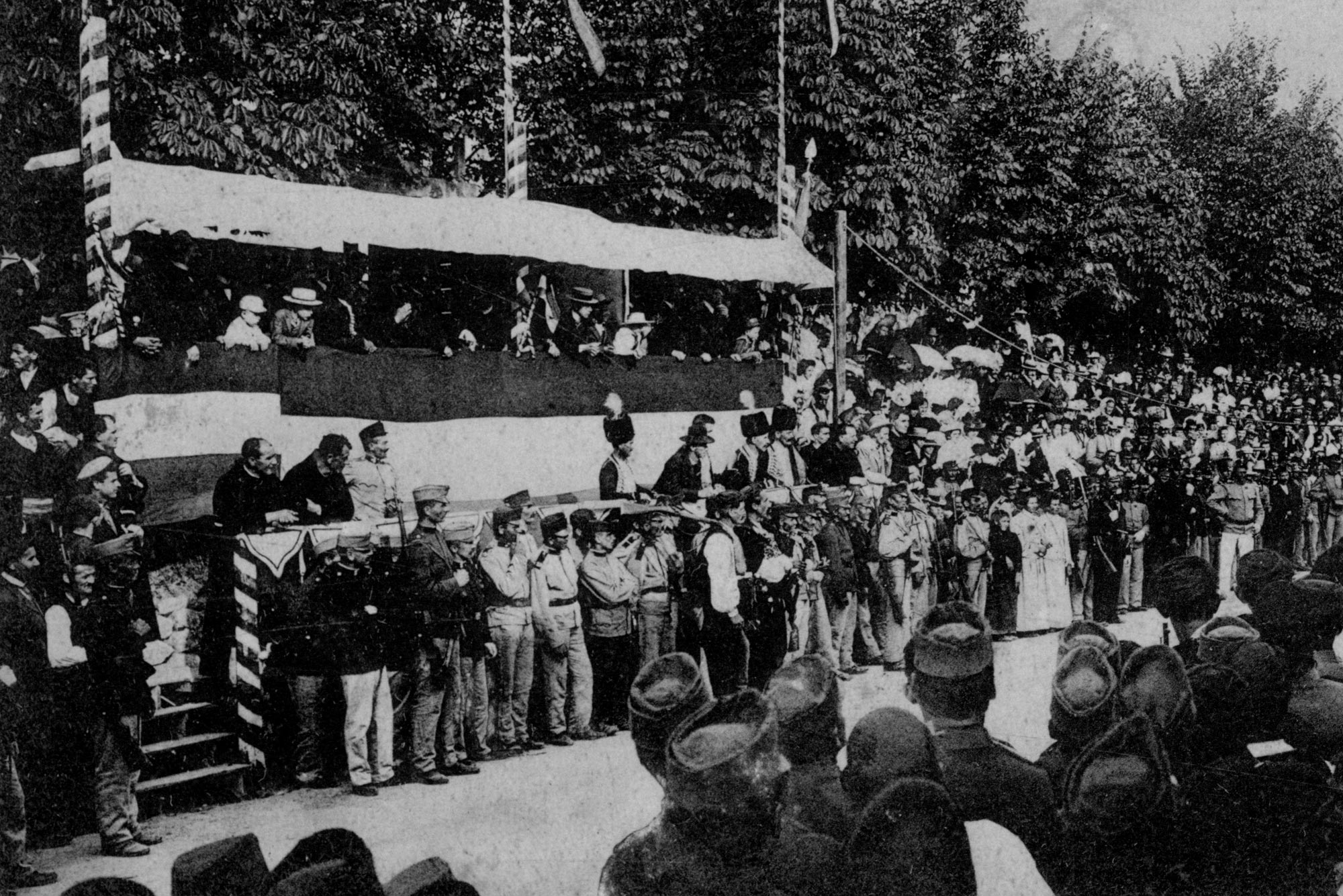
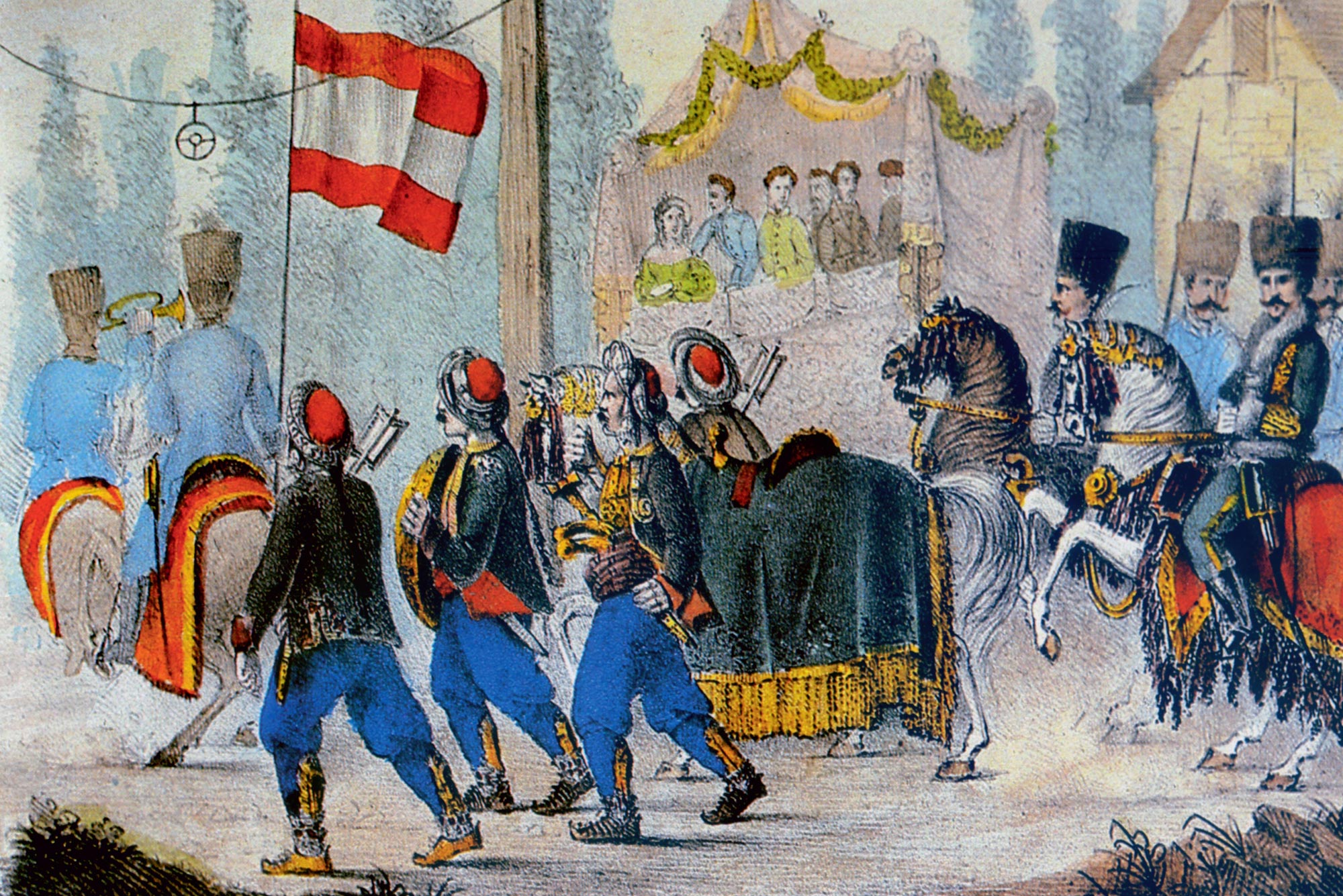
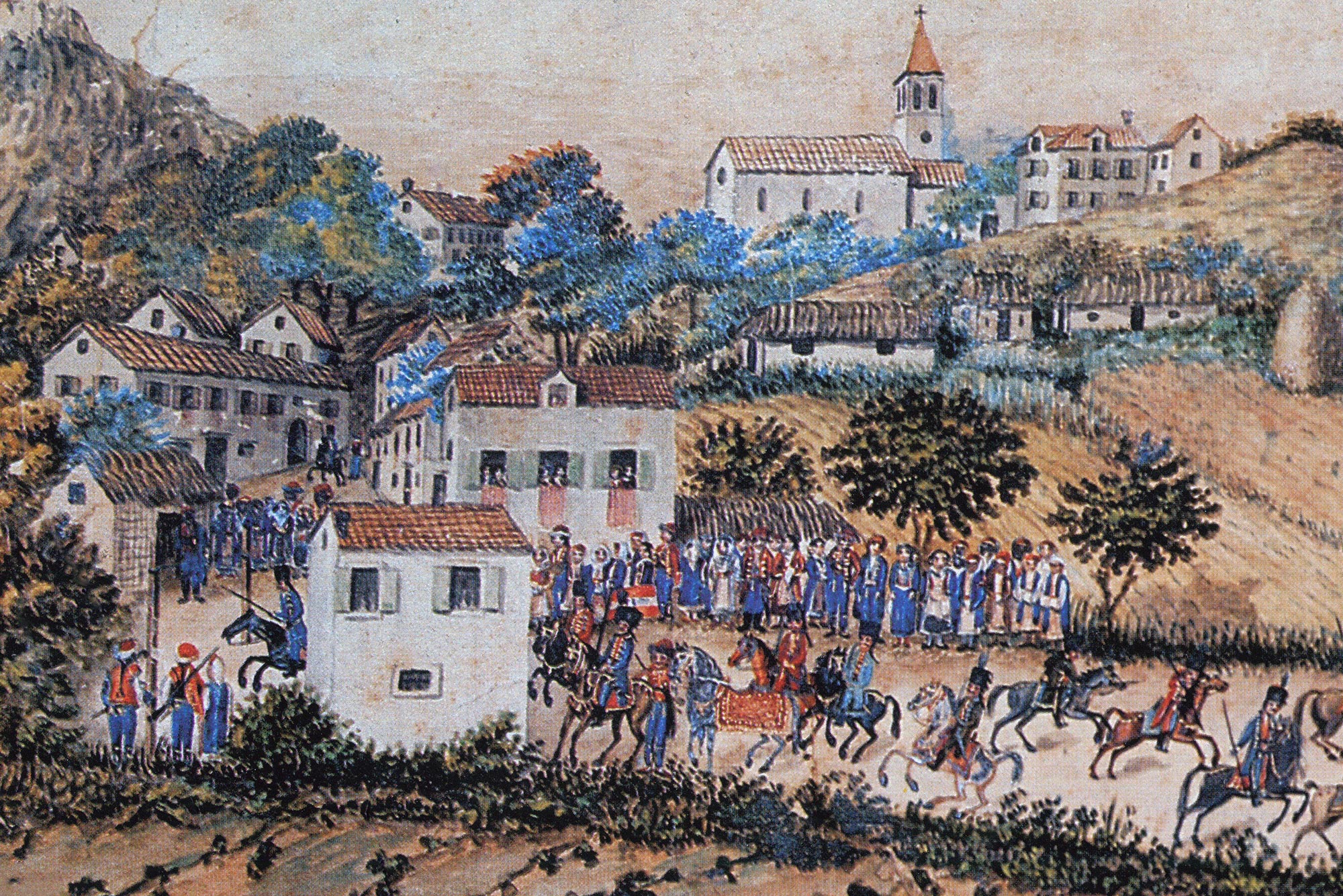
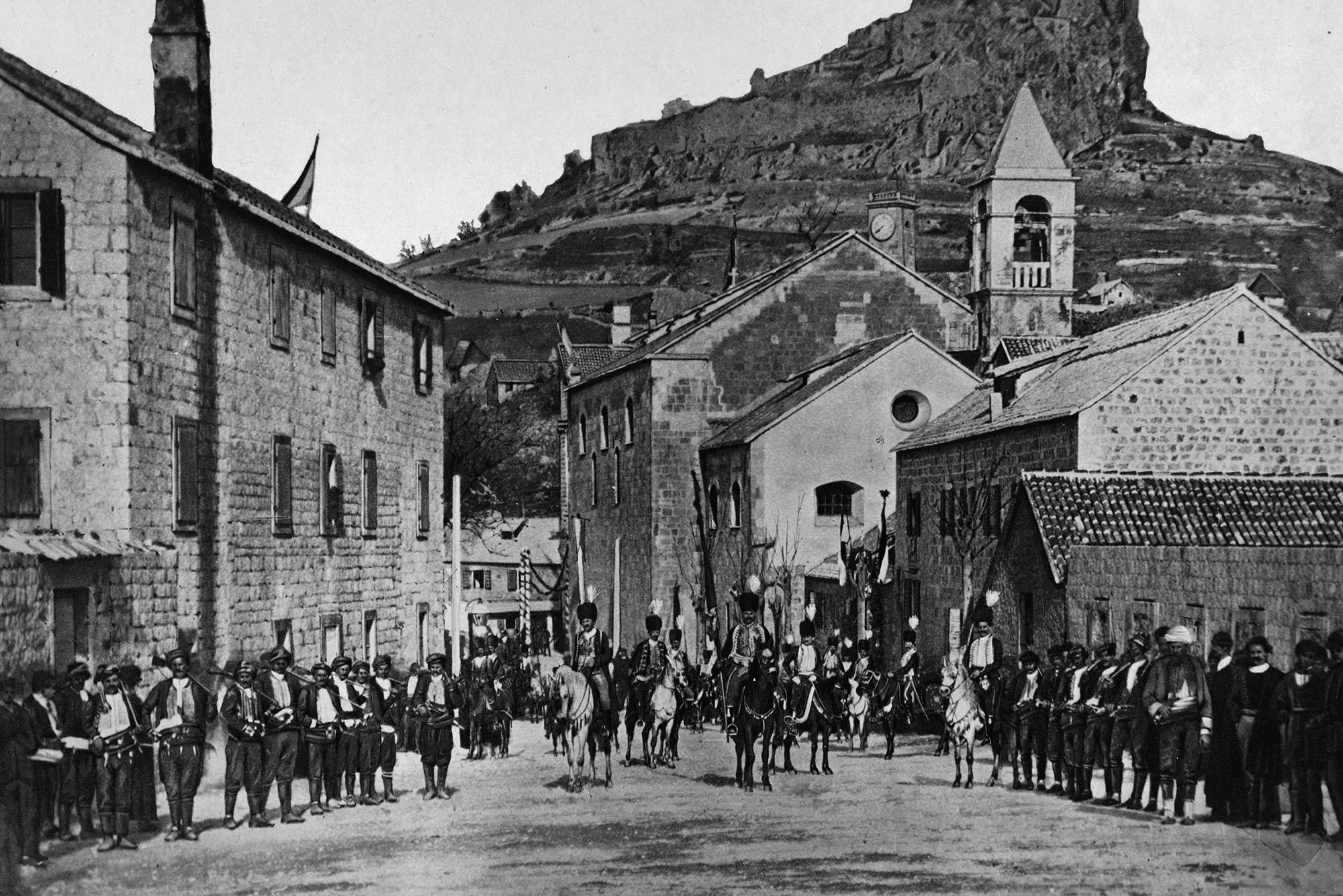
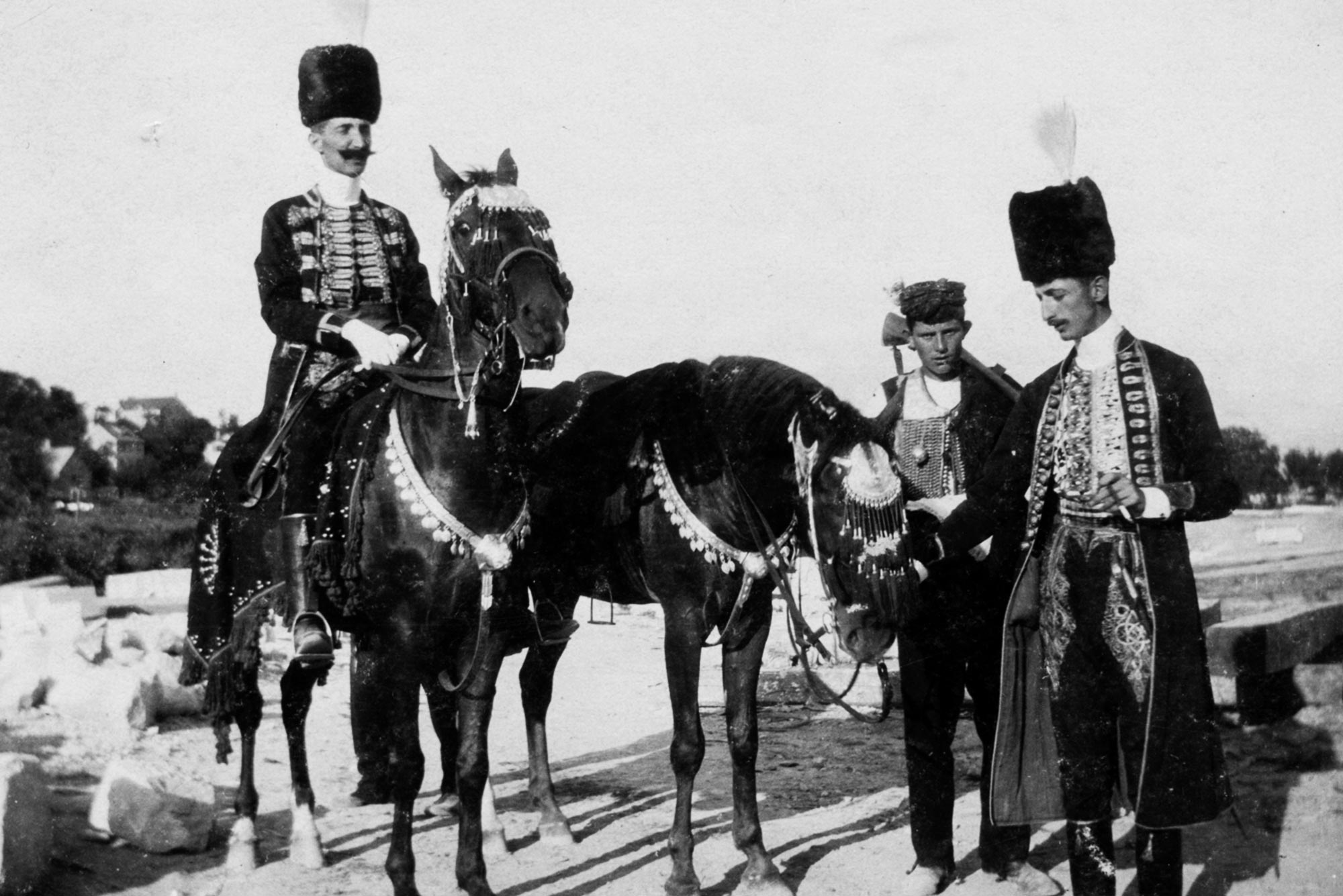
The history of the Alka shows that in ancient times, in the 18th and early 19th centuries, during the Venetian and early Austrian period, it was run throughout the year in a somewhat different manner than today. Namely, the regular annual Alka, with a prescribed state prize for the champion, was run on Shrove Tuesday. Then, for the Feast of the Assumption, the greatest holiday of Sinj, an ordinary Alka was held, and it was also known to be run on various other festive occasions. For these two Alka events, the prize was provided by the local regional commanders. Besides the Alka as it exists today, in ancient times there also existed another, more complex form of the Alka — the Alka with godfathers, where each alkar was accompanied and represented in everything by a godfather on horseback as well, though this manner of holding the Alka ceased to exist sometime before the mid-19th century.
- 1916Assumption Day
The regular annual Alka, state-funded since 1849, was customarily run on 18 August, the birthday of Emperor Franz Joseph I, which effectively merged it with the ordinary Alka held for the Feast of the Assumption, while ceremonial, special-occasion Alka events became rarer. From the accession of Emperor Charles I to the throne in 1916, it was run on his birthday, 17 August, and after the end of the First World War, in interwar Yugoslavia, on the first Sunday following the Assumption. For a time, this day remained the day the Alka was held after the Second World War as well, under socialist Yugoslavia, before it was later moved to the first Sunday in the month of August, as it is today.
- Double Alka1818
Let us mention a few more remarkable dates and figures from the history of the Alka. In 1818, before Emperor and King Francis I, the Alka was performed twice, at a time when he was staying in Sinj during the month of May. This was also a revived Alka, since it had not been held in recent years of French rule (from around 1811), due to that regime's disinclination toward such old-fashioned festivities.
- 1838King Frederick Augustus II
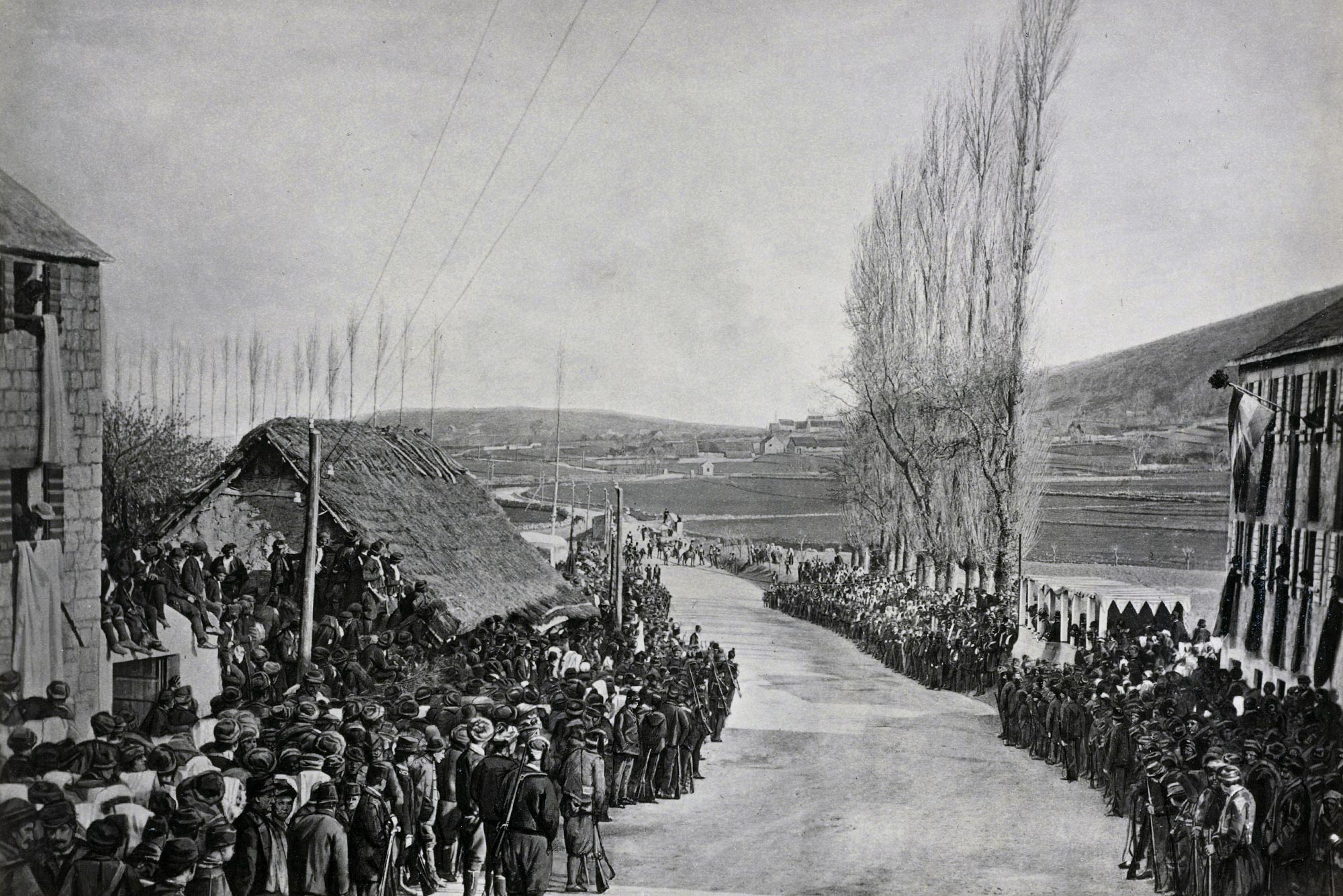
In 1838, a ceremonial Alka was held in honor of a distinguished foreign guest, King Frederick Augustus II of Saxony, and on 28 March 1842, an Alka was held in honor of the arrival in Sinj of the Austrian Archduke Albert. That same year, on 22 October, an Alka was held in honor of the arrival in Sinj of another Austrian archduke, Franz Karl. In 1875, on 18 May, an extraordinary ceremonial Alka was held on the occasion of the stay of Emperor and King Franz Joseph I in Sinj. The Emperor presented the champion, Mate Bonić, with a golden ring.
- The Alka racecourse1875
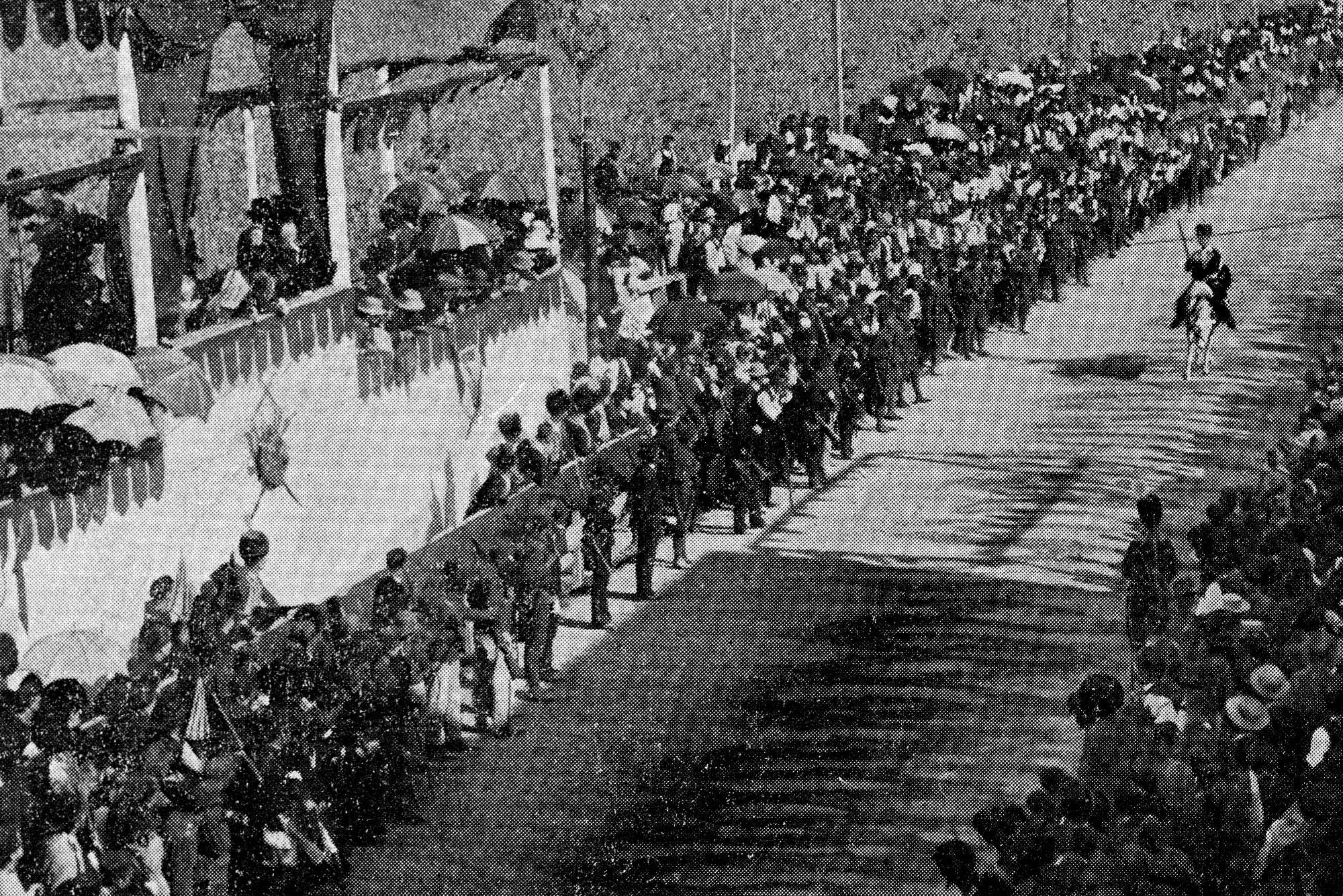
The Alka racecourse in 1875, for the Alka held in honor of Emperor Franz Joseph I's visit to Sinj.
- 1875Franjo Josip 1
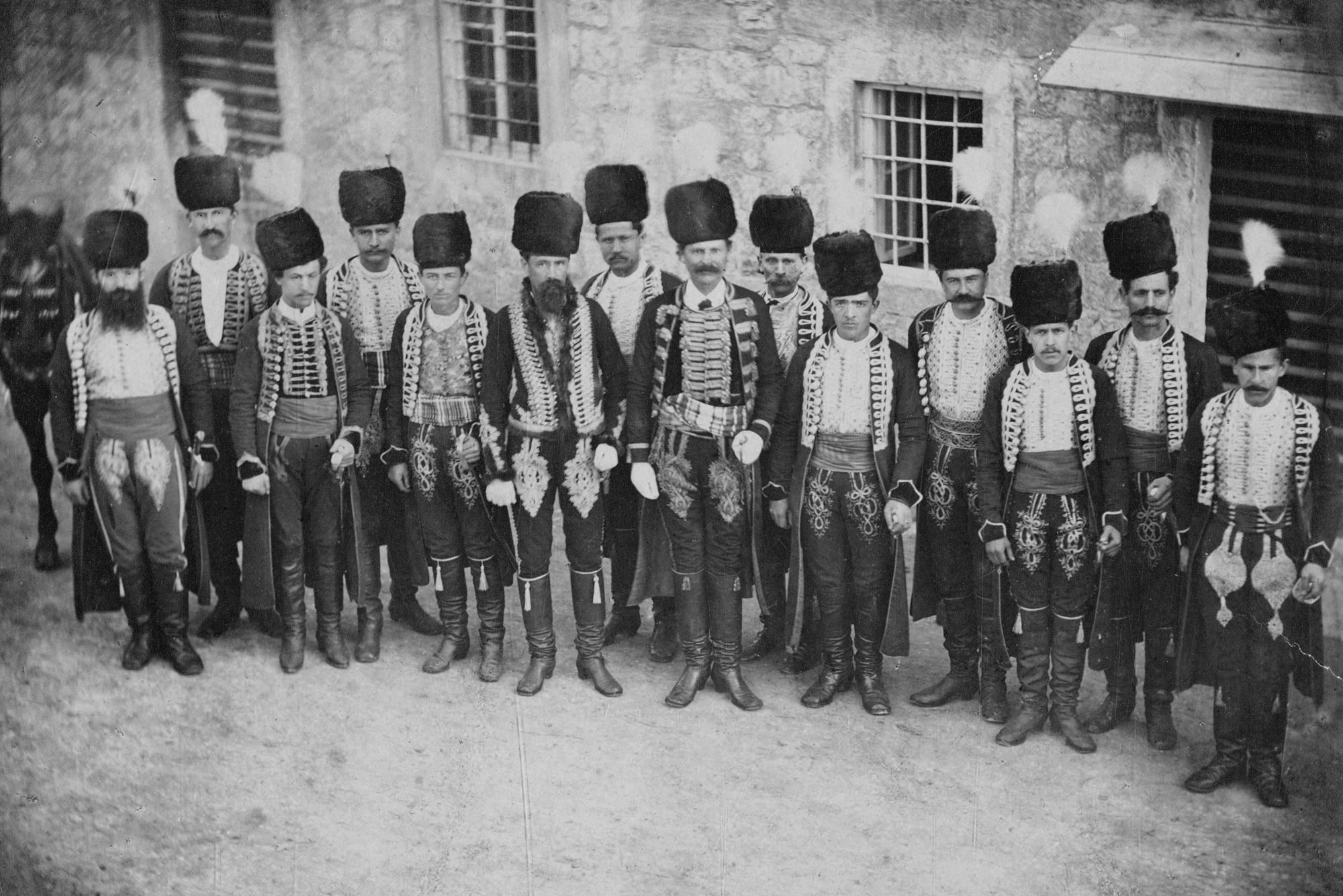
Alkars and alkar squires escorted Franz Joseph I to his temporary lodging in the Tripalo house on Žankova glavica. Both photographs are the work of Nikola Andrović, published in an album dedicated to the journey of Emperor Franz Joseph I through Dalmatia in 1875.
- Ceremonial Alka1887
In 1887, on 14 August, a ceremonial Alka was held in honor of the 200th anniversary of the arrival and bringing of Our Lady's image from Rama. The champion was Nikola Cerinić, who received as a prize a specially commissioned golden medal, minted by the Sinj municipality.
- 1965Predsjednik Tito na Alki
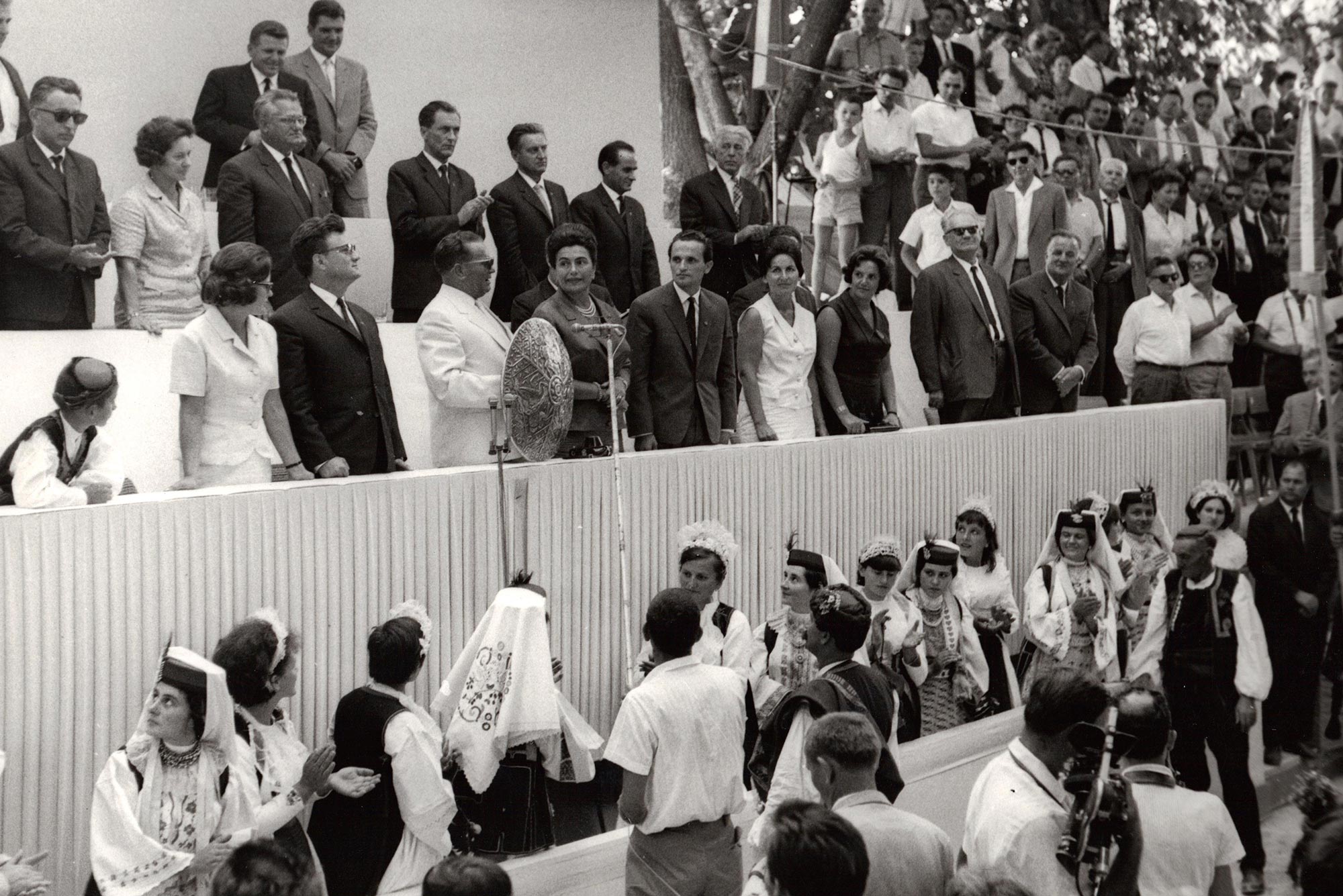
Heads of state have also been patrons of the Alka. In 1965, the jubilee 250th Alka was attended by the President of Yugoslavia, Josip Broz Tito.
- President Tuđman at the Alka1992
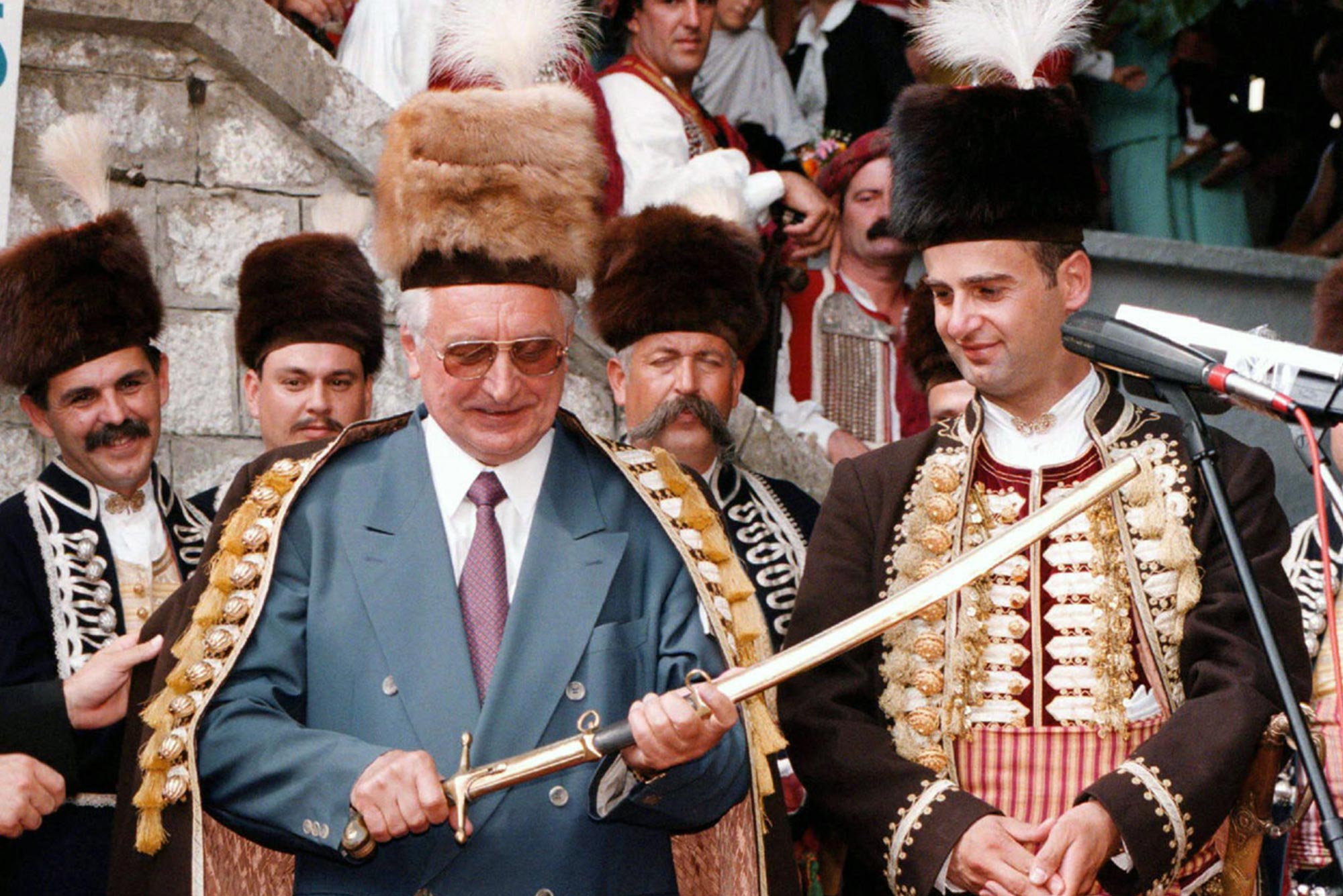
In 1990, 1992, and 1997, the Alka was attended by the President of the Republic of Croatia, Dr. Franjo Tuđman.
- 2009Predsjednik Mesić na Alki
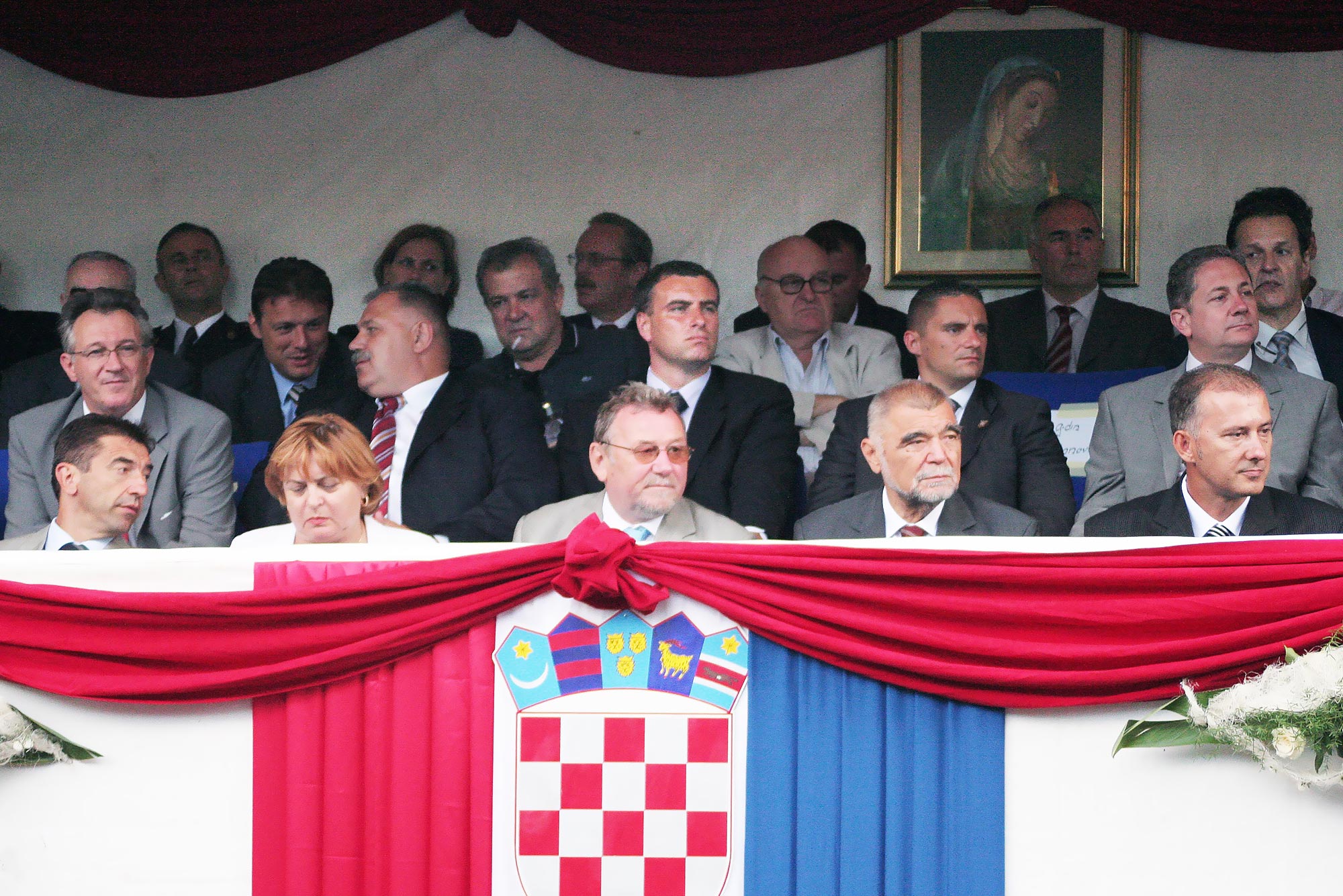
President Stjepan Mesić attended the Alka in 2007 and 2009.
- Predsjednik Josipović na Alki2014
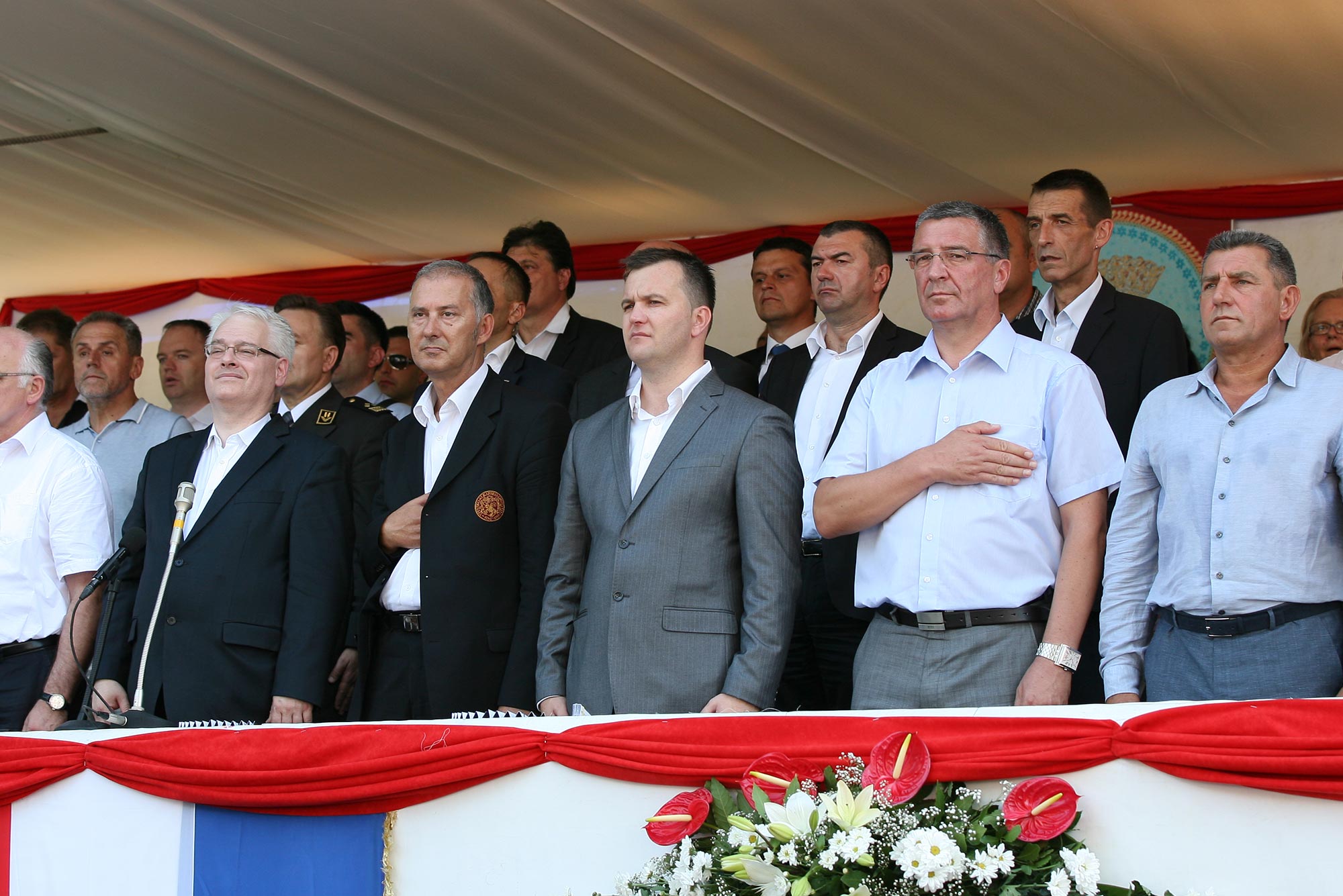
President Ivo Josipović attended the Alka in 2010, 2011, 2012, 2013, and 2014.
- 2019Predsjednica Grabar Kitarović na Alki
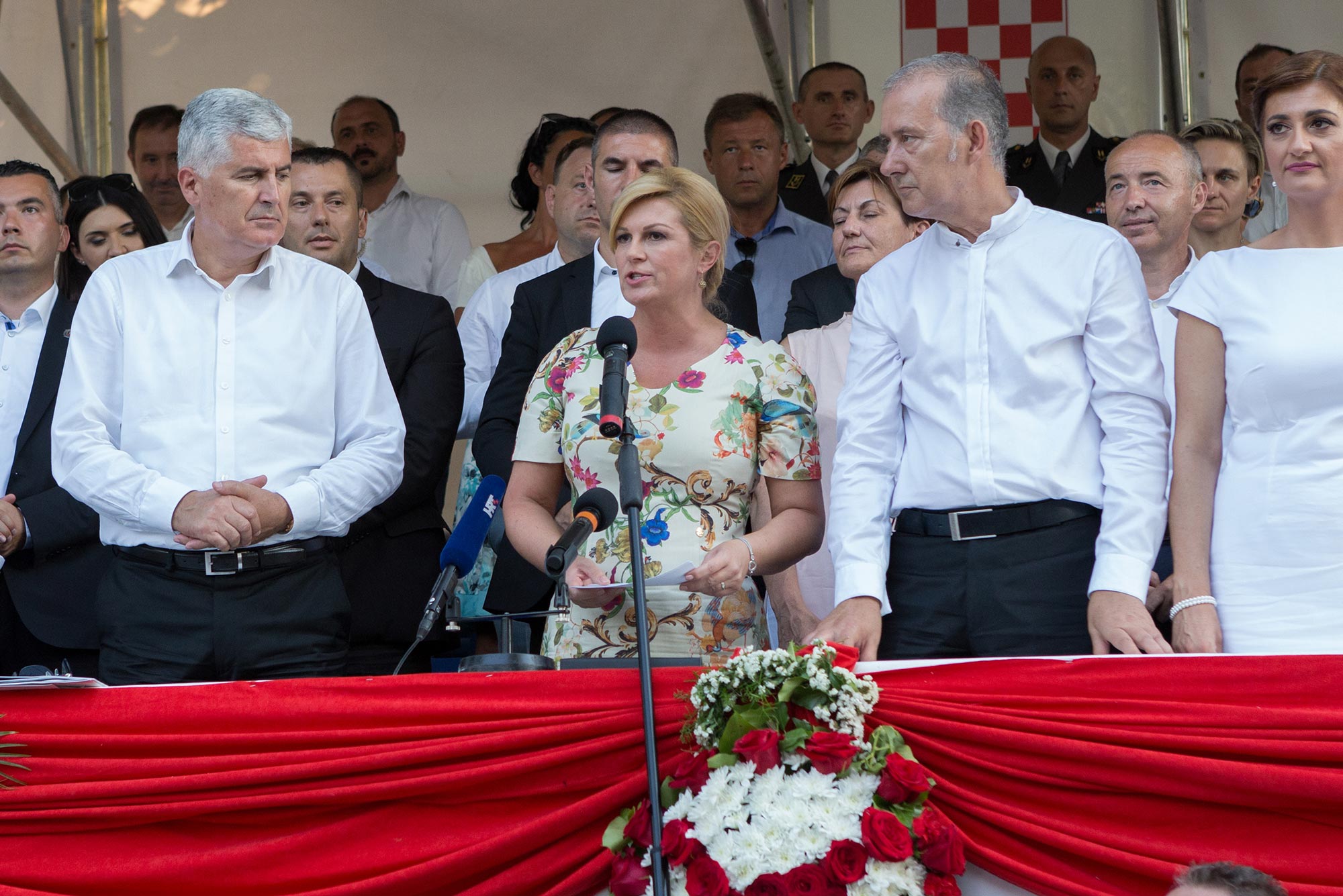
President Kolinda Grabar-Kitarović attended the Alka in 2015, 2016, 2017, 2018, and 2019.
- Predsjednik Milanović na Alki2025
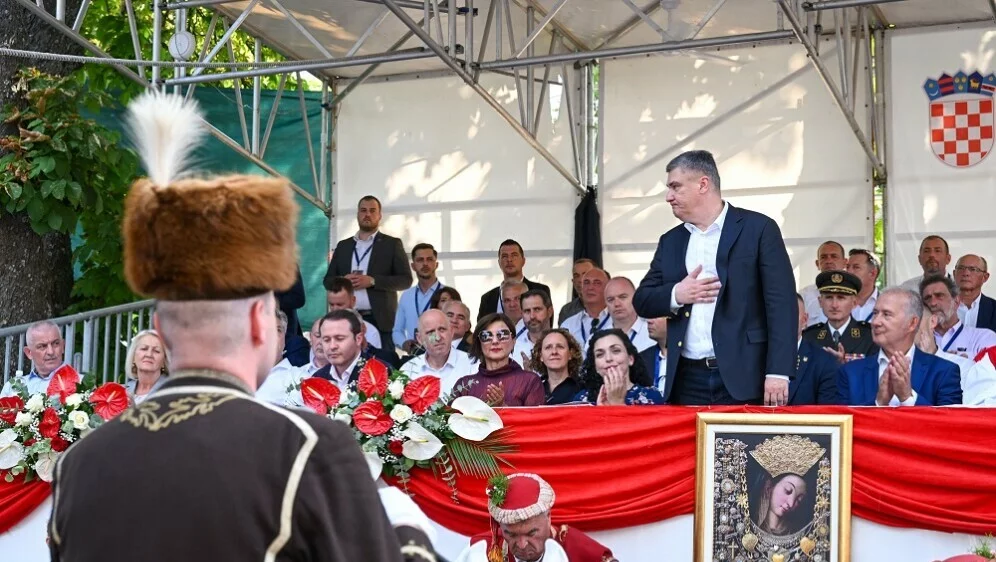
President Zoran Milanović attended the Alka in 2020, 2021, 2022, 2033, and 2024 and 2025.
– 307th Sinj Alka, together with Slovenian President Borut Pahor
– 308th Sinj Alka, with Hungarian President Katalin Novák
– 309th Sinj Alka, with Kosovo President Vjosa Osmani
- 2015300. Alka
In 2015, the jubilee, three-hundredth Sinj Alka was held. The champion was Frano Ivković.
- Alka in Vukovar2017
On 6 May 2017, as a gift from Sinj and the Cetina region to the Croatian heroic town of Vukovar, a ceremonial Alka was held in Vukovar. The champion was Ante Zorica.